I lead two teams at once: designers I hire, coach, and grow, and an agentic pipeline that compresses multi-sprint efforts into weeks. Twenty-five years of taste, now in the hands of people and machines.
I set the bar in crit, unblock the team, and align product and engineering. I also run the pipeline myself and ship multi-sprint work in weeks.

Traditional designers bring taste but can't scale it. Pure technologists ship fast but can't tell good from plausible. The rare profile leads with decades of product craft and operates the AI stack hands-on: deciding what's worth building, then building it. That's the seat I occupy.
I don't "use AI tools." I run a designed system of agents (twenty-plus production skills that scan, diff, draft, validate, and build) with judgment placed deliberately in the loop. The division of labor, in one table:


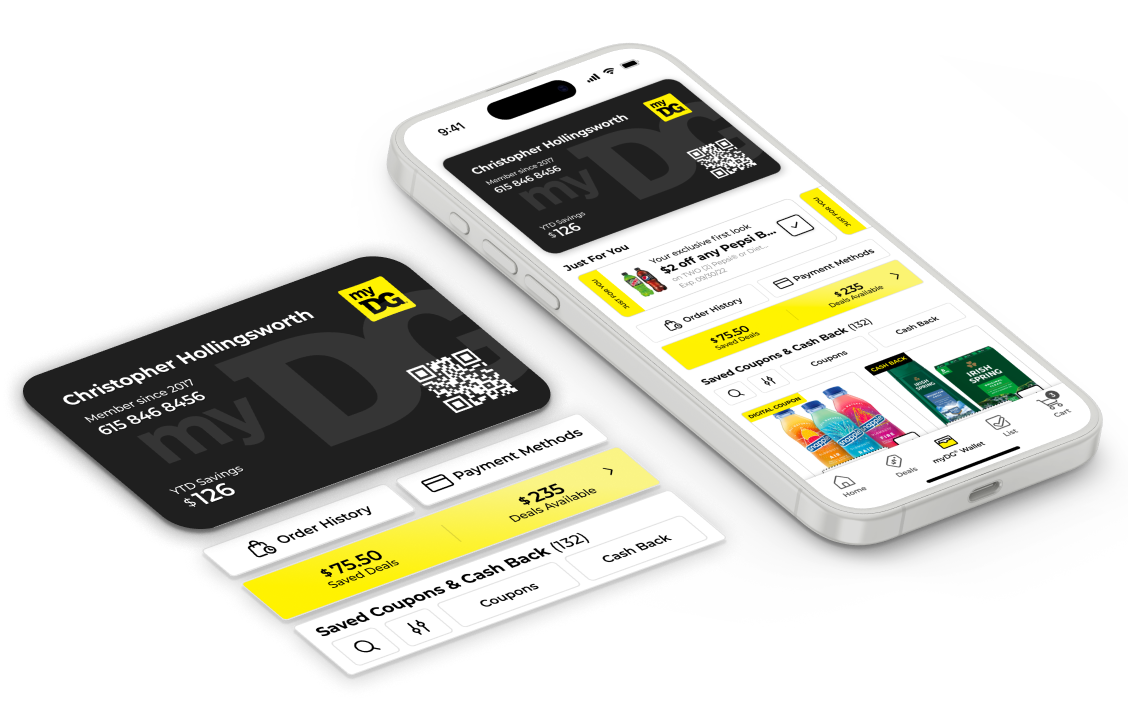
Dollar General's Wallet was declining double digits. The fix wasn't more features. It was one architecture that six fragmented screens became, and it's still absorbing new programs two years later.

Ellev8, my design and build studio, runs on 11 agents I designed. Two human gates, reviewers that never built the work, and four real client and studio runs.
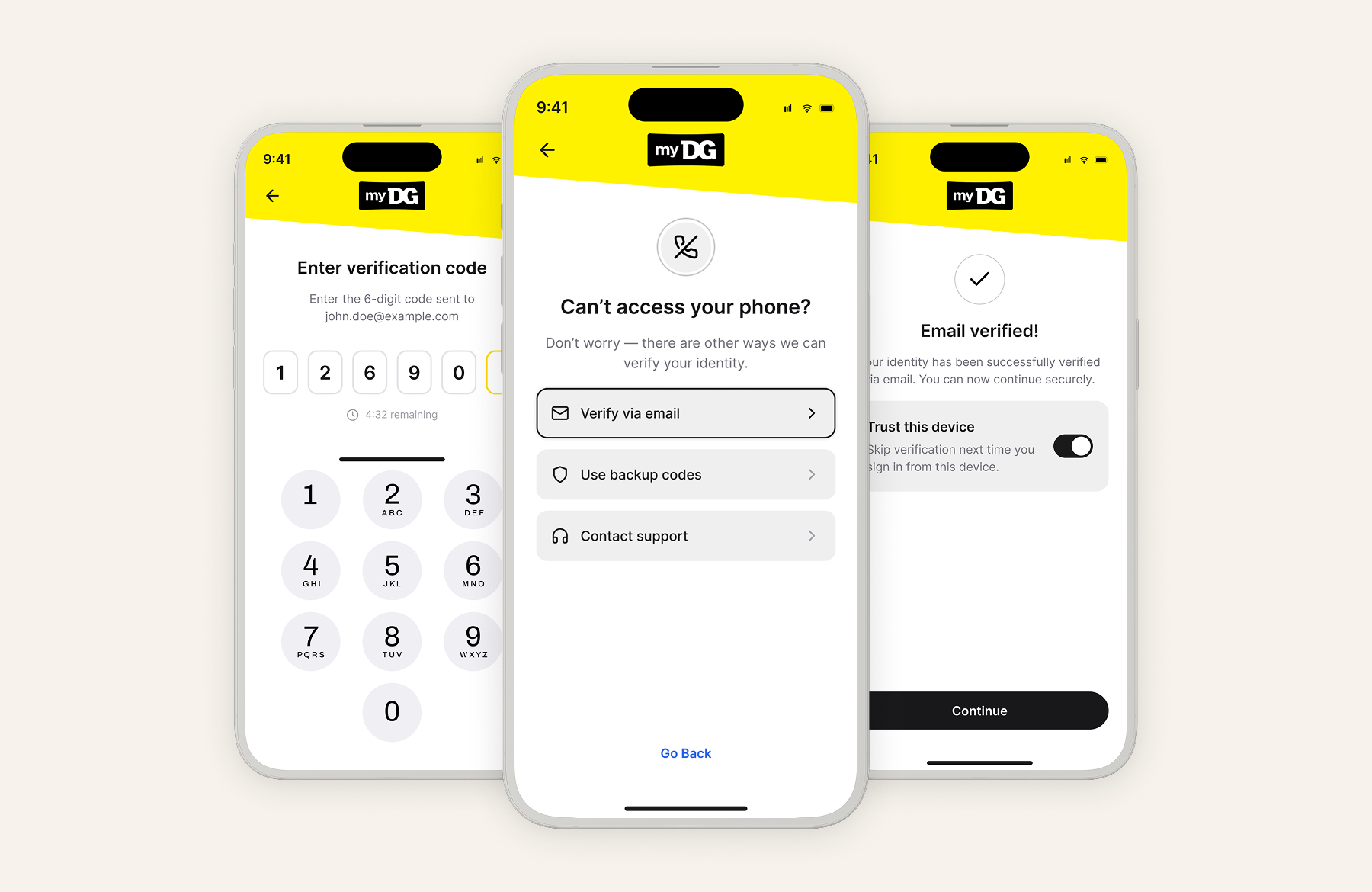
When a risk-based auth rollout dead-ended 25,000 customers, I directed the response and personally designed the system: 113 screens, 8 journeys, on deadline.
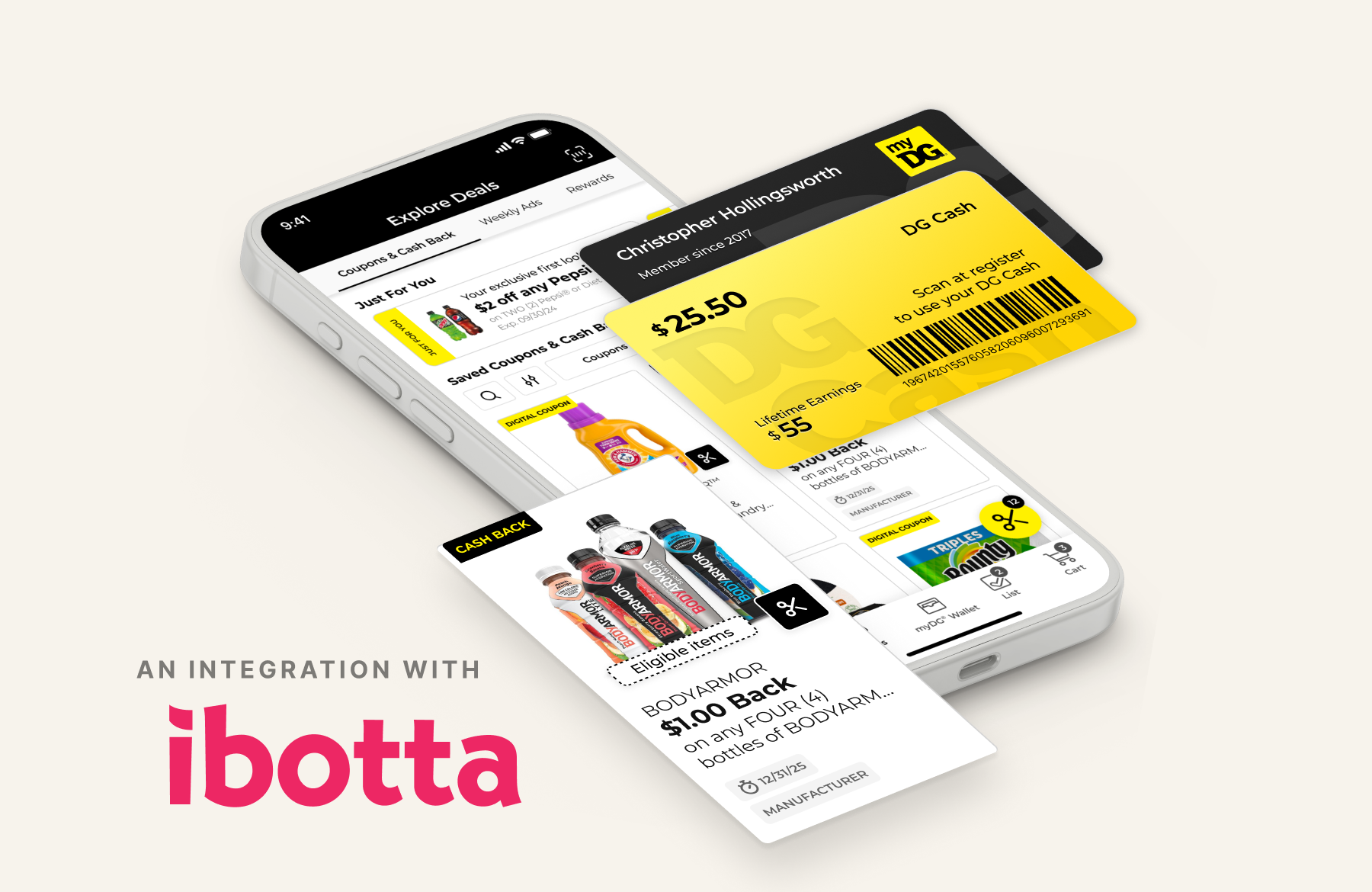
The first cash-back program in the discount channel: a white-label Ibotta integration co-mingled with coupons so seamlessly customers never knew it was a partner. Nine million dollars back in pockets.

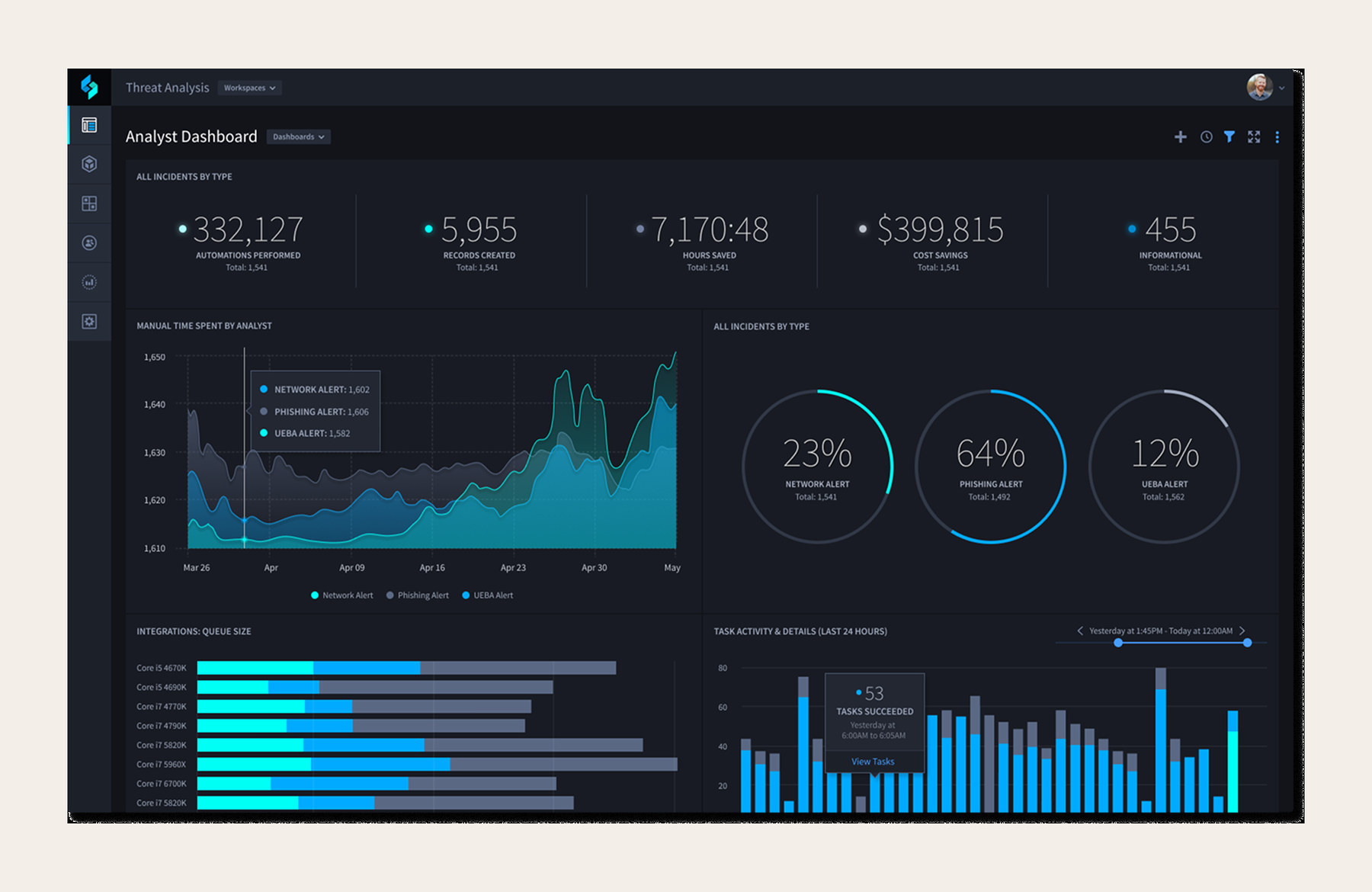
Six years designing how SOC analysts supervise machine action under pressure, the same patterns now called agent UX. Foundation for Swimlane Turbine.
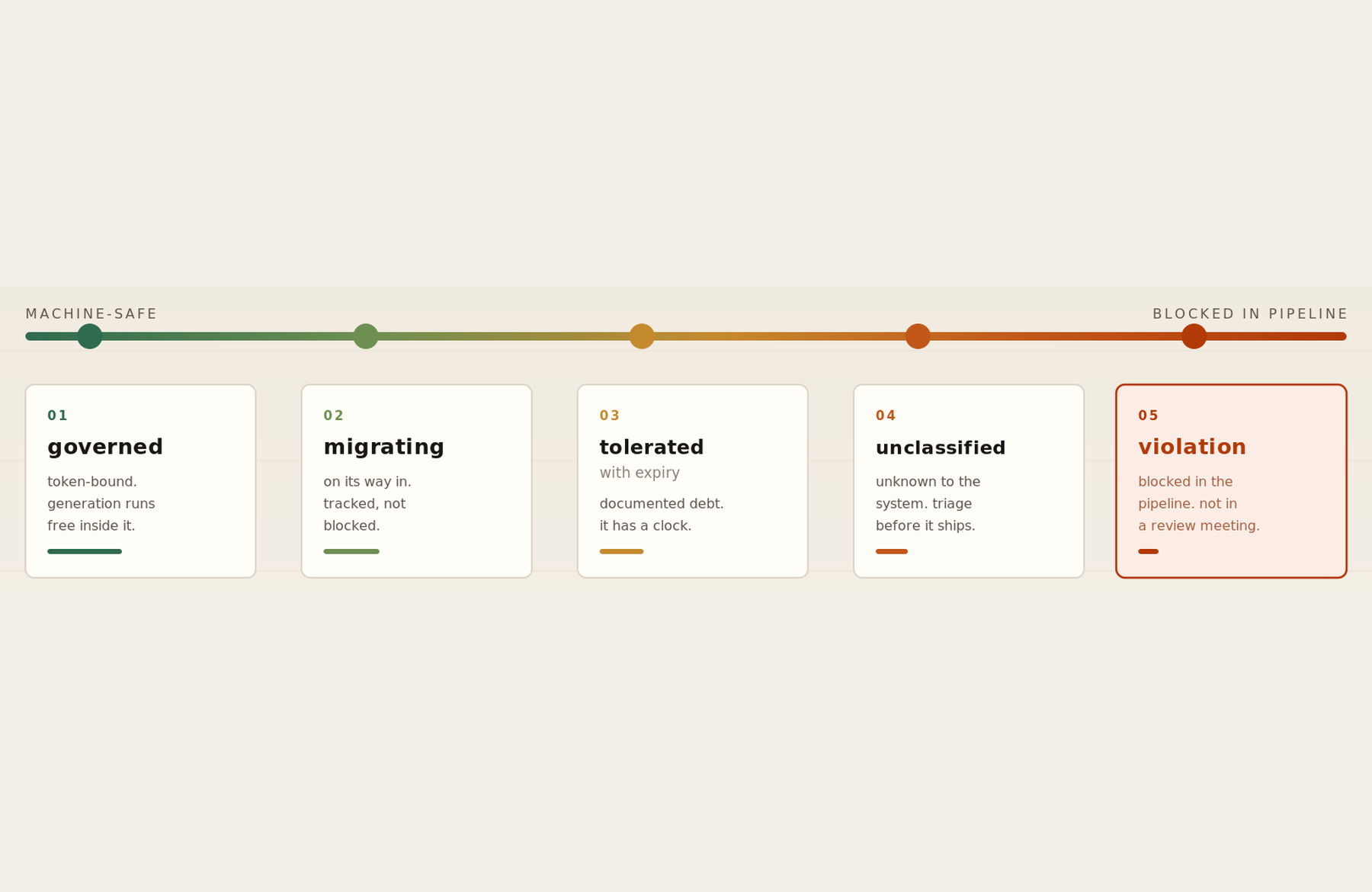
Anyone can generate interface now. The hard problem is making generated UI safe to ship. Token architecture and governance states as the guardrail layer.
“He also pushed me to utilize AI as a practical tool, not a novelty. His encouragement to integrate AI into my research workflow meaningfully accelerated how quickly I could move from study design to synthesis, which ensured we kept pace with a fast-moving product organization.”
“For four years, JD led our embedded design team, overseeing UX/UI design execution across our entire product suite. He operated in a highly dynamic environment, balancing multiple concurrent initiatives and frequent priority shifts with a lean team.”
“What stood out most was his ability to build trust with client stakeholders and hold the team together through a demanding and evolving project environment.”
The thesis: AI compresses everything before and after the craft moment. The craft moment stays human. How I operate as creative director of machine output.
Read →Why the designer's job isn't disappearing. It's relocating. Where design work actually lives now, and what that changes about how you lead.
Read →When production stops being the constraint, knowing it's right becomes the scarce thing. The three lines design leadership has to draw in the blur.
Read →My design and build studio. Its first client was Agilitee, which is how the Dollar General engagement below began. Today the studio builds and looks after websites and back-office tools for business owners, on the agent system documented in the Ellev8 case study. In parallel, two 0→1 ventures carried from opportunity brief to working prototype, solo-plus-agents, on the same pipeline.
Contract design leader, embedded through Agilitee in a Fortune 500 retailer's digital ecosystem, reporting to the CDO. Led a UX team that grew to eight across products serving 12M+ MAU. Player-coach throughout: personally designed the authentication rescue and Wallet turnaround while running four concurrent workstreams, and built the agentic design-ops pipeline (Claude Code, Figma MCP, custom skill chains) that roughly doubled what the team could ship.
Built the design function from zero at a cybersecurity SOAR startup, through Series A, B, and C. Designed how analysts supervise automated action under pressure: the pre-launch foundation for Turbine, Swimlane's agentic AI platform, and its marketplace of playbooks and agents. 100+ component design system that outlasted my tenure.
Led digital strategy at a boutique Denver agency. Pioneered the embedded product designer model at SendGrid, the operating pattern that later defined the Dollar General engagement. Clients: Denver Public Schools, The Aspen Institute, Prime Health.
First director-level role. Led the digital team across a "Whole Brand" strategy firm's client family.
Eight profitable, bootstrapped years owning everything: creative direction, UX, front-end build (HTML/CSS/JS), CMS, cash flow, clients. W3 Silver Award, 2008. The full-stack foundation that today powers the agentic pipeline work. I was a product builder before it had a name.